
"coffee growing countries"
20000 article(s) found

Sidamo Coffee Bean Introduction, Sidamo Coffee Growing Flavor
Pay attention to the coffee comment (Weixin Official Accounts vdailycom ) and discover a beautiful cafe to open its own shop Name: Ethiopia Democratic Federal Republic (Ethiopia) Location: Located in the plateau of northeastern Africa. Neighboring countries: North Eritrea, South Kenya, East Somalia Djibouti, West Sudan Land area

Costa Rican Coffee Origins Costa Rican Coffee Practices
Full-bodied particles, ideal acidity, unique and intense aroma. Tarrazu, Costa Rica, is one of the world's leading coffee producers, producing coffee with a light, pure flavor and pleasant aroma. Costa Rica's volcanic soils are fertile and well drained, making it the first country in Central America to grow coffee and bananas for commercial value. Coffee and bananas are the country's staple foods.

Costa Rican Coffee Origins Costa Rican Coffee Practices
Full-bodied particles, ideal acidity, unique and intense aroma. Tarrazu, Costa Rica, is one of the world's leading coffee producers, producing coffee with a light, pure flavor and pleasant aroma. Costa Rica's volcanic soils are fertile and well drained, making it the first country in Central America to grow coffee and bananas for commercial value. Coffee and bananas are the country's staple foods.

A brief introduction to the market price of world-famous coffee Rwanda boutique coffee beans
But in any case, the soft and full-bodied taste of the country's coffee is great. Since the 1920s, Arabica coffee grown in Rwanda has been famous for its unique fruit sweetness and rich grass aroma. In recent years, the government of Rwanda has taken positive measures to promote coffee production, set up coffee production cooperatives in various places, and give farmers technology.

Coffee trees can grow coffee beans in several years-introduction to the planting environment of manors in the country of origin
Coffee trees can grow coffee beans in several years. In fact, the Arabs began to grow coffee in 525 B.C., and chewing fried coffee beans became popular in the Arab region. In 890 AD, Arab merchants sold coffee beans to Yemen, and Yemenis made coffee beans into drinks for the first time. In the 15th century, coffee was introduced into Europe and Asia
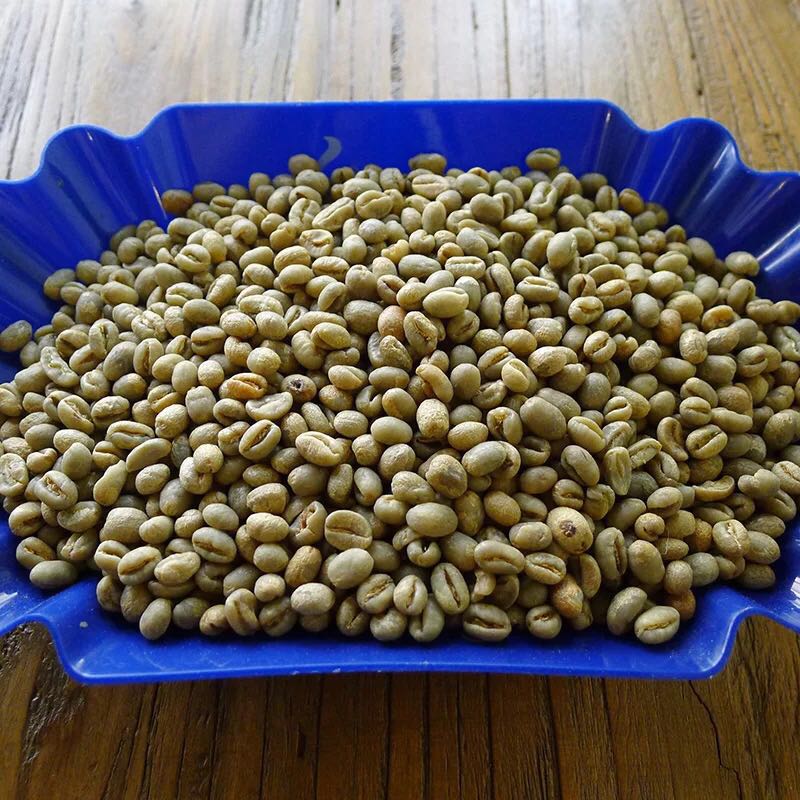
Coffee bean import declaration Shanghai coffee bean import declaration
Tarrazu in Costa Rica is one of the major coffee producing areas in the world. The coffee produced is light and pure in flavor and pleasant in aroma. Costa Rica, with its fertile volcanic soil and good drainage, is the first country in Central America to grow coffee and bananas for commercial value. Coffee and bananas are the country's main exports. In 1729, coffee was introduced from Cuba to Goth.

Costa Rican coffee processing methods Red honey processing
Full-bodied particles, ideal acidity, unique and intense aroma. Tarrazu, Costa Rica, is one of the world's leading coffee producers, producing coffee with a light, pure flavor and pleasant aroma. Costa Rica's volcanic soils are fertile and well drained, making it the first country in Central America to grow coffee and bananas for commercial value. Coffee and bananas are the country's staple foods.
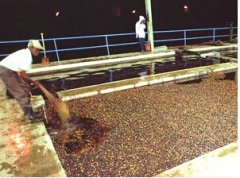
Rwanda coffee beans grow coffee beans wash Arabica coffee high quality coffee beans taste
Since the 1920s, Arabica coffee grown in Rwanda has been famous for its unique fruit sweetness and rich grass aroma. In recent years, the Rwandan government has taken positive measures to vigorously promote coffee production, set up coffee production cooperatives in various places, and give technical guidance and financial support to farmers, so that coffee production has made considerable progress. University of Rwanda

Costa Rican Coffee Manor area introduces Costa Rican Coffee Flavor Coffee
With fertile volcanic soil and good drainage, Dariga is the first country in Central America to grow coffee and bananas because of its commercial value. Coffee and bananas are the country's main exports. Coffee was introduced into Costa Rica from Cuba in 1729. Today, its coffee industry is one of the well-organized industries in the world, with a yield of 1700 kg per hectare. Gostad

Introduction to the grades of coffee in Rwanda
There are about 33000 hectares of coffee plantations in Rwanda, with 500000 people engaged in the coffee industry. With the good natural conditions of high altitude and fertile volcanic soil, the country's fertile soil and suitable climate contribute to plant growth, and coffee trees seem to be driven or forced to grow upward, or because they grow too fast to produce the best coffee beans. Luwang, the beautiful land of a thousand hills

The difference between Ethiopian and Indonesian coffee beans
The difference between Ethiopian and Indonesian coffee beans represents countries: Guatemala, Costa Rica, Sawaldo and other Central American countries. The higher the altitude of the origin, the better the quality of coffee. Because of the low altitude and hot climate, coffee trees grow faster and absorb less soil nutrients, so the taste of coffee is poor. Extremely hard beans (SHB) grow from 1375m to 1524m.

Tarasu, a manor in Costa Rica's coffee producing area.
Tarrazu in Costa Rica is one of the major coffee producing areas in the world. The coffee produced is light and pure in flavor and pleasant in aroma. Costa Rica, with its fertile volcanic soil and good drainage, was the first country in Central America to grow coffee and bananas for commercial value. Coffee and bananas are the country's main exports. In 1729, coffee was introduced from Cuba

Taste of Costa Rican Saint Roman Coffee in volcanic soil Grinding degree of manor in producing area
S.H.B. It is a very hard bean with an altitude of more than 1500 meters above sea level, which means high quality Costa Rican coffee. Altitude has always been a problem for coffee growers. The higher the altitude, the better the coffee beans, not only because the higher altitude can increase the acidity of the coffee beans and thus increase the flavor, but also because the night temperature at the higher altitude is lower, which can make the trees grow slowly.

Differences, distinctions and prizes of single beans for Rwandan Coffee
Professional baristas exchange please follow the coffee workshop (Wechat official account cafe_style) Rwanda coffee individual beans differences, differences and awards [product name]: Rwanda bourbon boutique coffee (Rwanda Bourbon Specialty) [quality rating]: AA [roasting]: recommended roasting degree city or deep city roasting (City Roast or Full City Roast

The producing area of single bean in Rwanda introduces how to brew single bean in Rwanda.
Professional barista exchanges please follow the coffee workshop (Wechat official account cafe_style) Rwanda is known as the country of a thousand hills, the whole territory is mountainous and plateau, most of the area has a tropical plateau climate and savanna climate, mild and cool. There are about 33000 hectares of coffee plantations and 500000 people are engaged in the coffee industry. Have good natural conditions of high altitude and fertile volcanic soil, as is the case in this country.

Costa Rican coffee processing method processing method washing treatment
Full-bodied particles, ideal acidity, unique and intense aroma. Tarrazu, Costa Rica, is one of the world's leading coffee producers, producing coffee with a light, pure flavor and pleasant aroma. Costa Rica's volcanic soils are fertile and well drained, making it the first country in Central America to grow coffee and bananas for commercial value. Coffee and bananas are the country's staple foods.

A brief introduction to the cultivation of fine Costa Rican coffee beans, geographical location, climate and altitude
Coffee and bananas are the country's main exports. Coffee was introduced into Costa Rica from Cuba in 1729. Today, its coffee industry is one of the well-organized industries in the world, with a yield of 1700 kg per hectare. Costa Rica, with a population of only 3.5 million, has 400 million coffee trees, and coffee exports account for 25 per cent of the country's total exports. Costa Rica has also benefited from

Flavor description of Costa Rican boutique coffee beans introduction to the manor by grinding scale treatment
Tarrazu in Costa Rica is one of the major coffee producing areas in the world. The coffee produced is light and pure in flavor and pleasant in aroma. Costa Rica, with its fertile volcanic soil and good drainage, is the first country in Central America to grow coffee and bananas for commercial value. Coffee and bananas are the country's main exports. In 1729, coffee was introduced from Cuba to Goth.
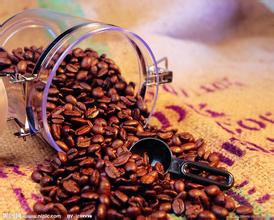
Boutique Coffee Costa Rica Coffee Estate San Roman Processing Plant
Full-bodied particles, ideal acidity, unique and intense aroma. Tarrazu, Costa Rica, is one of the world's leading coffee producers, producing coffee with a light, pure flavor and pleasant aroma. Costa Rica's volcanic soils are fertile and well drained, making it the first country in Central America to grow coffee and bananas for commercial value. Coffee and bananas are the country's staple foods.